

Introduction
One of the most crucial decisions that a homeowner has to make is choosing the right roof. Roof keeps the house safe from rain, heat, wind and storms daily. The lifespan of a roofing material ranges from a few years to decades and some products require hardly any maintenance. That’s how many people wonder What Are The Most Durable Roofing Materials?
The durability is important as roof replacements can be expensive. Having a durable roofing material can prevent homeowners from making repairs and incurring damage on a regular basis. It can also help to save energy and add value to the property with time.
Each roofing material provides a different robust. Some are good for heavy rain, others are good in warmer climates or snowy areas. Knowing the advantages and disadvantages of each of these can assist homeowners in deciding on the best roof for their home and budget.
The importance of Roofing Durability
The roof is much more than shelter from the elements. Comfort safety and long term costs are also affected. A poor roof can develop leak or wear out easily. This can result in costly repairs and stress for homeowners.
Strong roofing materials are able to withstand harsh weather conditions such as high winds, strong sunlight, and storms. Durable roofs are also less maintenance-intensive due to a lower number of repairs over the lifespan of the roof.
Another important benefit is energy efficiency. Roofing products that have long-life span have strong heat-reflecting properties and help to maintain a stable indoor temperature. This can save on energy costs particularly in colder climates.
Investment of durable roofing material is likely to result in increased resale value for homeowners. Roofs that are reliable are the ones that will allow buyers to not have to repair their roof immediately after they buy the house.
Metal Roofing Is One of the Strongest Options.
Metal roofing is one of the most popular options to choose for durability. It is characterized by its durability, longevity and ease of care.
The lifespan of a metal roof range from 40 to 70 years based on material used. Steel, aluminum and copper are popular materials. These roofs do a better job of resisting cracking shrinking and erosion than many of the traditional roofing materials.
Metal roofing has some great benefits, one of which is resistance to weather. Metal roofs are able to withstand heavy rain, snow and strong winds. Many also bring fire resistance as an added layer of protection to homeowners.
Metal roofs are lightweight and thus, have less weight than other materials. This will help ease the strain on the home’s structure. They are also energy efficient as they reflect sunlight rather than absorbing heat.
While metal roofing may be more expensive initially, its durability can make it a wise choice in the long run.
Slate Roofing is a Roofing Material that offers Exceptional Longevity.
One of the most durable roofing materials available is slate roofing. Composed of natural stone and boasts a lovely high end look.
When properly maintained, a slate roof can last for more than 100 years. A few old buildings are still covered with original slate roofs, which are in a good condition today.
Slate is extremely resistant to fire mold and to the weather. It is not subject to deterioration or insect attack. It is a natural stone and therefore can withstand extreme climatic conditions for many decades.
However slate roofing is very heavy. It is important that home structures have good support prior to installation. It’s also one of the most costly roofing options available.
Many homeowners opt for slate despite the fact that it is more expensive due to its unbeatable durability and classic look.
Clay and Concrete Tiles are Long Lasting and Durable.
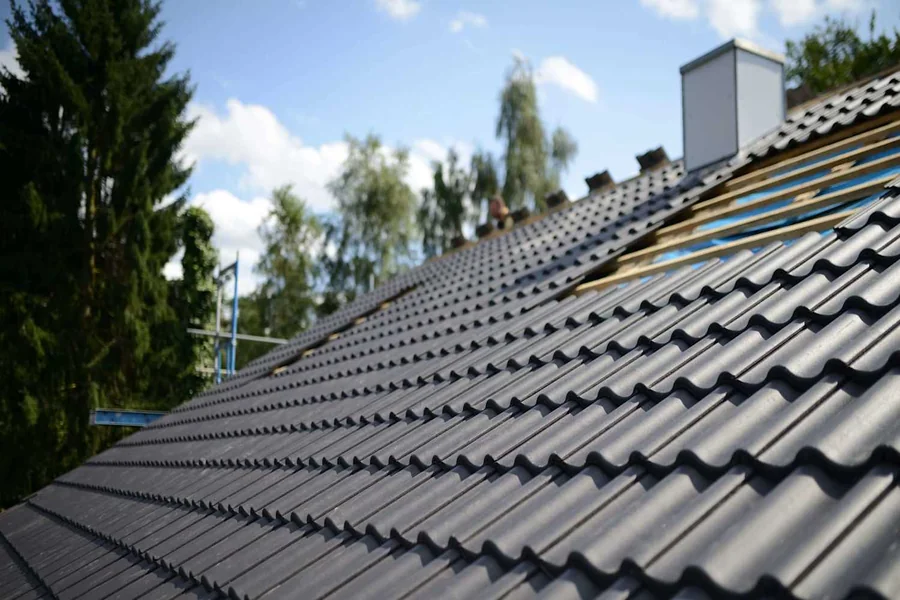
Clay and concrete tiles are commonly used in regions with warm climates, as they can withstand high temperatures and intense sunlight. It’s due to the fact that these materials are renowned for their impressive durability and unique style.
With proper care clay tile roofs will last 50 to 100 years. The life expectancy of concrete tiles is typically about 40-75 years. They are both fire insect resistant and rot resistant.
They’re great roofing materials for hot weather since there’s air flow underneath the tiles. This is for the homes to stay cooler in the summer months.
Another advantage of clay and concrete tiles is that they will not fade over time. Many homeowners prefer the classic Mediterranean look that they bring.
The only drawback is that it’s heavy. Like slate these tiles are heavy and may require additional structural support. They also have the potential of cracking when walked on improperly while being maintained.
Asphalt Shingles continue to be the popular and affordable option.
Because asphalt shingles are easy to install and inexpensive, they are widely used in many countries as a roofing material. While they may not last as long as slate or metal they still offer good durability for the price.
Typically, standard asphalt shingles last for 15 to 30 years. With proper care, a higher quality architectural shingle will last even longer.
Today’s asphalt shingles are more resistant to wind moisture and UV damage than older asphalt shingles. They come in a variety of colors and styles, making them appealing to homeowners.
Asphalt shingles are less expensive to install. Repairs are also easier than with large roofing material.
However asphalt shingles may not perform as well in extreme weather conditions. However, their life span may decrease over time due to strong storms and high temperatures.
Wood shingles and shakes provide a natural beauty.
Many homeowners prefer to have a natural, beautiful look, which is why they prefer wood roof. One of the most popular wood shingles and shakes is made out of cedar wood.
With proper maintenance and climate conditions, wood roofs can achieve a longevity of up to 20-40 years. Cedar is naturally more resistant to insects and moisture than are some other woods.
Shakes tend to be thicker and sturdier than regular wood shingles. They also add a more textured look.
Wood roofing provides adequate insulation that helps to control indoor temperatures. It is a popular color for traditional or rustic homes.
The downside is the maintenance. Wood roofs must be properly maintained to avoid mold and mildew and fire hazards. Wood may wear out more quickly in areas of high rainfall or high humidity.
Synthetic Roofing Materials are getting more sophisticated.
Today, synthetic roofing products are designed to mimic slate wood or tile, but with the added benefit of increased durability and reduced weight.
These roofs are typically rubber plastic or polymer blends. With proper installation, many synthetic roofing products will last for 40-50 years.
One advantage is impact resistance. Synthetic materials are more capable of weathering the hail and harsh weather than some natural materials.
They are also lighter, making them easier to install and less stressful on homes’ structures. Many artificial roofs are easier to maintain than wood or tile roofs.
Another benefit is cost. Synthetic materials are often used to give a costlier roofing solution at a lower cost.
With advancements in technology, synthetic roofing is gaining popularity among homeowners who seek durability and style.
Factors that affect Roof lifespan:
Even the strongest roofing materials require care in order to attain a maximum lifespan. There are a number of factors that influence the life span of a roof.
Climate is a very important factor. Roofing materials are subject to more stress in areas where there is heavy rainfall, snow, or storms and a lot of sunshine.
Quality of installation is also a factor. Even the best materials can be defective or leak due to poor installation. Future problems are avoided by hiring professional roofers who have the experience to solve the problem.
Maintenance helps prolong the lifespan of the roof. Gutter clean up with debris removal and inspection of gutters to identify any damage can prevent small issues from escalating into costly repair jobs.
Ventilation also matters. Ensuring proper ventilation in the attic can regulate moisture and temperature, preventing long-term damage to roofing materials.
The selection of materials that fit the weather conditions in the area is one of the best ways to ensure durability.
Final Thought
Homeowners who ask the question, What Are The Most Durable Roofing Materials? will find that it depends on budget, climate and personal taste. Slate metal clay tile and concrete tile are some of the most durable options that are offered today. Asphalt shingles are still popular because they are inexpensive, synthetic materials provide a more contemporary material that is more durable and requires less maintenance.
Having a long-lasting rooftop is an investment of safety comfort and long term savings. Some materials have a higher initial expense, but can lower the costs of repairs and replacements over time.
The top roofing material is one that is suitable for the home environment and will offer protection for many years. Homeowners can make the right choice by taking the time to look around and deal with reputable roofing contractors.
FAQs
What Are The Most Durable Roofing Materials for extreme weather?
Metal slate and concrete tile roofs are considered the best for extreme weather conditions because they resist wind rain fire and temperature changes very well.
How long does a metal roof usually last?
A metal roof can last between 40 and 70 years depending on the type of metal and the quality of installation.
Is slate roofing worth the high cost?
Slate roofing is expensive but many homeowners believe it is worth the investment because it can last over 100 years with proper maintenance.
Are asphalt shingles durable enough for long term use?
Yes modern asphalt shingles can provide reliable protection for 15 to 30 years especially when installed correctly and maintained regularly.
Which roofing material requires the least maintenance?
Metal and slate roofs generally require less maintenance compared to wood roofing or asphalt shingles.
Do durable roofing materials increase home value?
Yes high quality roofing materials often improve property value because buyers prefer homes with long lasting roofs and fewer future repair needs.
